
Early breast cancer: ESMO Clinical Practice Guideline for diagnosis, treatment and follow-up
Early breast cancer: ESMO Clinical Practice Guideline for diagnosis, treatment and follow-up Global estimates indicated 2.3 million new cases of breast cancer in 2020, contributing to nearly 12% of all new cancer cases, with 685 000 deaths in the same year.1 Breast cancer detection has increased due to improvements in screening techniques. The mortality rate […]
Recommendations for the use of next-generation sequencing (NGS) for patients with advanced cancer in 2024: a report from the ESMO Precision Medicine Working Group
Recommendations for the use of next-generation sequencing (NGS) Considering the evolving field of drug development and genomic data, the European Society for Medical Oncology (ESMO) Precision Medicine Working Group (PMWG) sought to update recommendations for the use f next-generationsequencing (NGS) for patients with metastatic cancers published in 2020. After several discussions among the members of […]
Risk reduction and screening of cancer in hereditary breast-ovarian cancer syndromes: ESMO Clinical Practice Guideline
Risk reduction and screening of cancer in hereditary breast-ovarian cancer syndromes: ESMO Clinical Practice Guideline Hereditary breast and ovarian cancer syndrome (HBOC) is clinically defined by family history criteria, and molecularly defined by identification of germline pathogenic variants (PVs) in clinically validated HBOC genes.1 These genes are broadly classified as high-risk genes, increasing breast and […]
ESMO Clinical Practice Guideline for the diagnosis, staging and treatment of patients with metastatic breast cancer
ESMO Clinical Practice Guideline for the diagnosis, staging and treatment of patients with metastatic breast cancer Metastatic breast cancer (MBC) is an incurable disease, but survival improvements have been reported with appropriate therapeutic strategies.1-8 Systemic therapy standard-of-care in MBC but may be supplemented with locoregional treatments (LRTs)according to the disease status of the individual patient. […]
هوش مصنوعی در درمان سرطان

استفاده از هوش مصنوعی: راهی برای جلوگیری از انجام درمانهای غیرضروری برای بیماران سرطان پستان یکی از ابزارهای هوش مصنوعی (AI) برای اولین بار، با ادغام الگوی سلولهای سرطانی و غیرسرطانی و ایجاد روشی دقیقتر برای پیشبینی نتایج بیماران، ممکن است بتواند مبتلایان به سرطان پستان را از انجام درمانهای شیمیدرمانی غیرضروری در امان نگه دارد. امروزه روشی […]
عوامل دارای اثرات نامشخص بر خطر ابتلا به سرطان پستان

1. رژیم و ویتامینها در حالیکه تاثیر اضافه وزن، چاقی و عدم تحرک فیزیکی بر خطر ابتلا به سرطان پستان مشخص است، اما ارتباط بین رژیم غذایی و خطر ابتلا به بیماری هنوز مشخص و قطعی نیست. مطالعات انجام شده بر روی زنان در ایالات متحده، ارتباط ثابتی بین رژیمهای غذایی پرچرب و ابتلا […]
عوامل خطری که توسط محققان رد شدهاند
عواملی وجود دارند که ممکن است در مورد ارتباط آنها با سرطان پستان، اطلاعاتی را به صورت آنلاین ببینید اما مهم است که از حقایق اطلاع داشته باشید و بدانید که این عوامل طبق تحقیقات، با سرطان پستان مرتبط نیستند. 1. ضدعرقها شایعات آنلاین و رسانههای اجتماعی حاکی از آن هستند که مواد شیمیایی […]
عوامل خطر مرتبط با سبک زندگی
1. نوشیدن الکل نوشیدن الکل یکی از عوامل خطر اصلی ابتلا به سرطان پستان و حتی انواع دیگر سرطان میباشد. هر چه فرد الکل بیشتری مصرف کند، خطر ابتلای او به سرطان پستان بیشتر افزایش مییابد. برای مثال، خطر ابتلای زنانی که یک نوشیدنی الکلی در روز مینوشند، در مقایسه با افرادی که الکل […]
عوامل خطر غیرقابل تغییر سرطان پستان
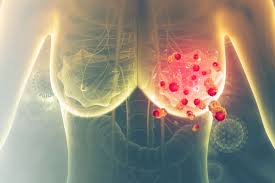
1. زن بودن این مورد، عامل خطر اصلی ابتلا به سرطان پستان است. البته مردان نیز میتوانند به این سرطان مبتلا شوند، اما این بیماری در زنان بسیار شایعتر از مردان است. 2. افزایش سن با افزایش سن، خطر ابتلا به سرطان پستان بیشتر میشود. اکثر سرطانهای پستان، در زنان 55 ساله و […]